


02
Sep
If your instinct when a class gets noisy is to talk over it, you’re not alone, but it’s usually the least effective tool available to you. Classroom management isn’t about controlling volume. It’s about the decisions you make around structure, instructions, space, and pace, so that the room rarely gets loud enough to need controlling in the first place.
Here are five techniques grounded in how teacher trainers actually teach this, not generic “stay calm” advice.

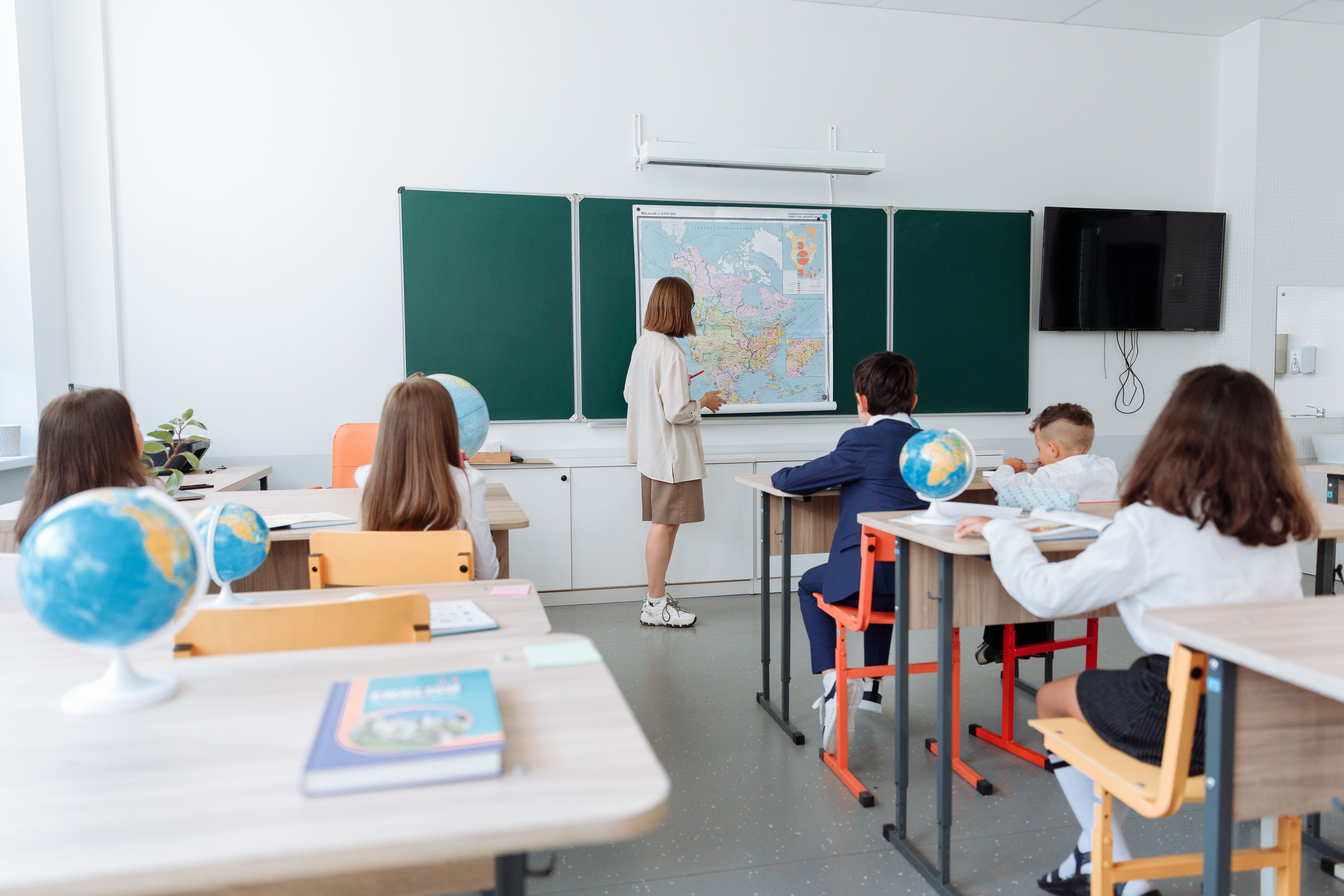
1. Fix your instructions before the activity starts, not during it
Most classroom noise doesn’t come from misbehaviour, it comes from confusion. If half the class isn’t sure what to do, they’ll ask each other, and that’s the moment the room gets loud.
The fix is unglamorous but reliable: give one instruction at a time, in a logical order, and check understanding before students start moving or talking, not by asking “understood?”, which almost everyone answers yes to regardless, but by asking a student to repeat back what they’ll do first.
2. Use signals, not volume, to start and stop activities
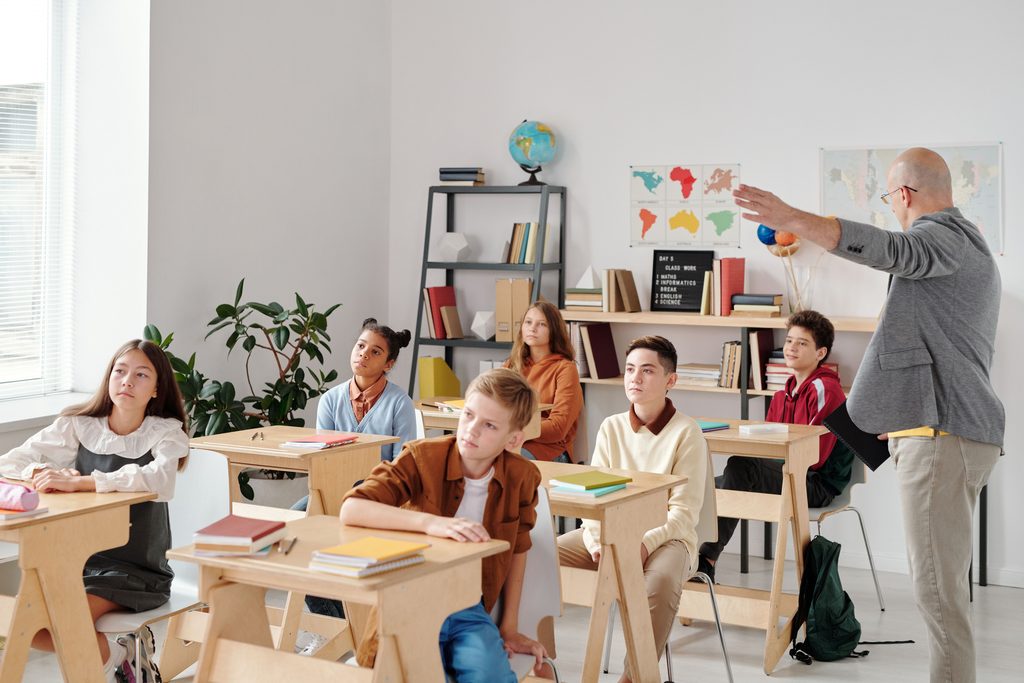
Repeating “okay, okay, let’s stop” over rising noise trains students to ignore the first few times you say it. A consistent, non-verbal signal like a raised hand, a specific gesture, even a change in your position in the room works better precisely because it doesn’t compete with the noise; students learn to watch for it rather than listen through it.
The key word is consistent. A signal only works if you use the same one every time, so it becomes automatic rather than something students have to consciously register.
3. Use the room itself as a management tool
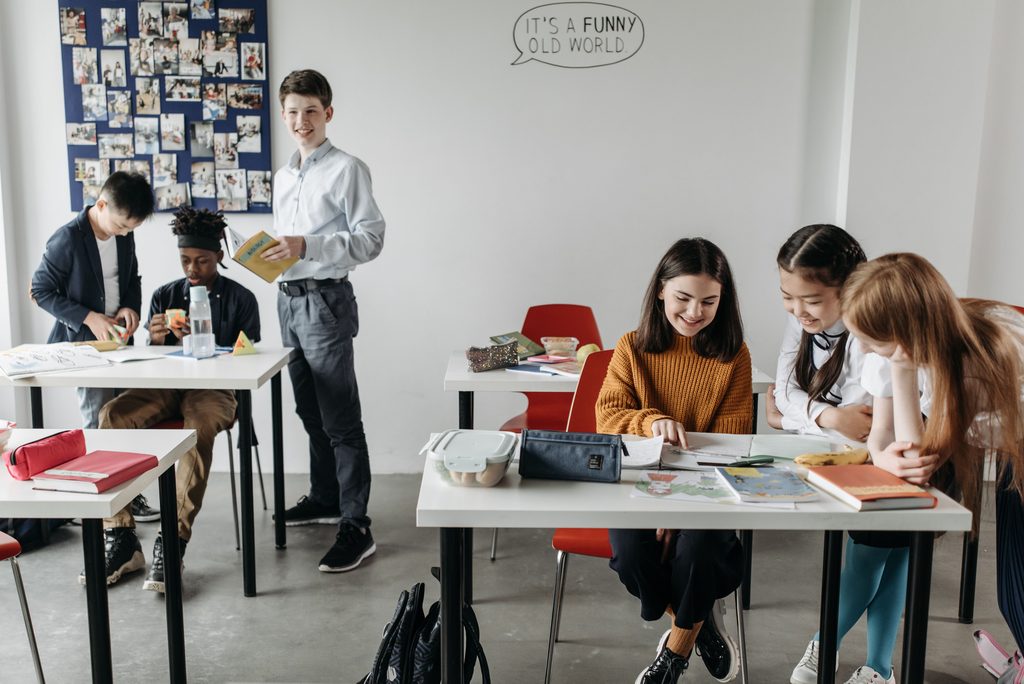
Where you stand changes classroom dynamics more than most teachers realise. Moving toward a group that’s drifted off-task, without necessarily saying anything, is often enough to bring them back, and it avoids the public, slightly confrontational feel of calling someone out across the room.
Seating and grouping decisions matter too: how you pair or group students for an activity can prevent disruption before it starts, simply by not putting the two most talkative students next to each other for a task that doesn’t need it.
4. Manage transitions deliberately, not on autopilot
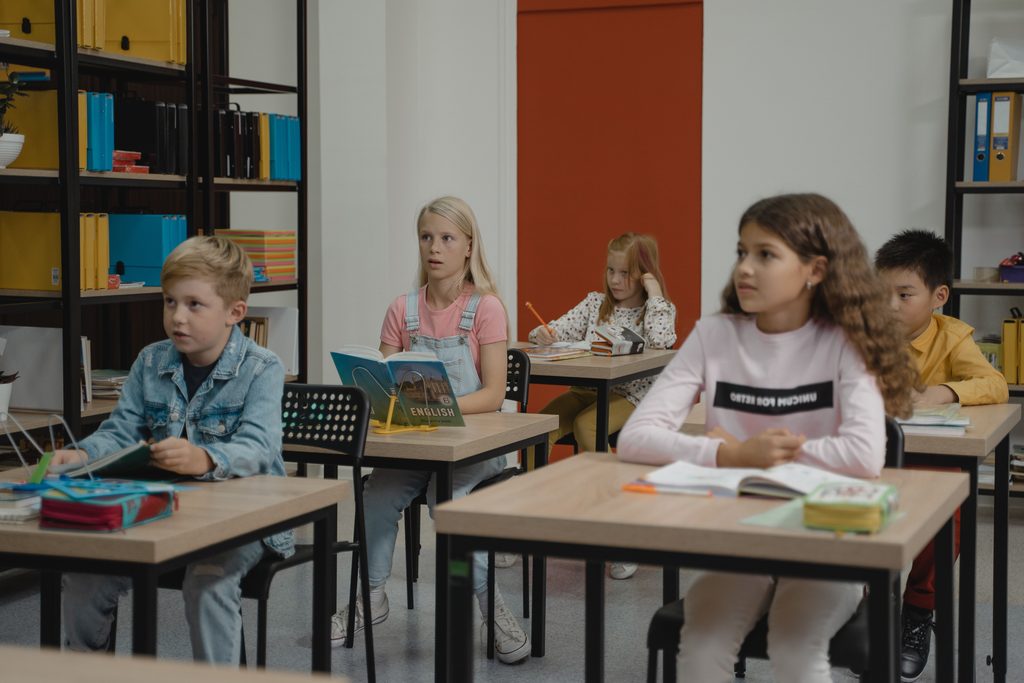
The gap between activities: packing away, moving into pairs, switching from listening to speaking, is where classes most often lose momentum and get loud. Teacher trainers often point to this as a more common source of “management problems” than the activities themselves.
Naming the transition explicitly (“we’re moving from listening to speaking now: you have 30 seconds to get into pairs”) gives students a clear boundary and a time limit, which does more to keep the pace controlled than reacting to noise once it’s already started.

5. Separate the behaviour from the person
When something does need addressing directly, the tone matters more than the words. Naming the specific behaviour (“let’s keep this in English, please” rather than “you’re being disruptive”) keeps the interaction about the task, not about the student’s character, which tends to de-escalate rather than provoke a reaction.
This is also where relationship-building pays off outside the moment itself: students who feel the teacher is generally fair and consistent are far more likely to respond to a quiet correction than students who only hear from the teacher when something’s gone wrong.
The bigger picture: management is mostly invisible
The common thread across all five techniques is that good classroom management rarely looks dramatic. It shows up as clear instructions, a well-planned transition, or a teacher standing in the right place at the right moment, not as a confrontation resolved well. Teacher trainers often describe this as the entire discipline: the decisions a teacher makes about the physical environment, resources, and pacing of a lesson, made in service of the lesson’s aims.
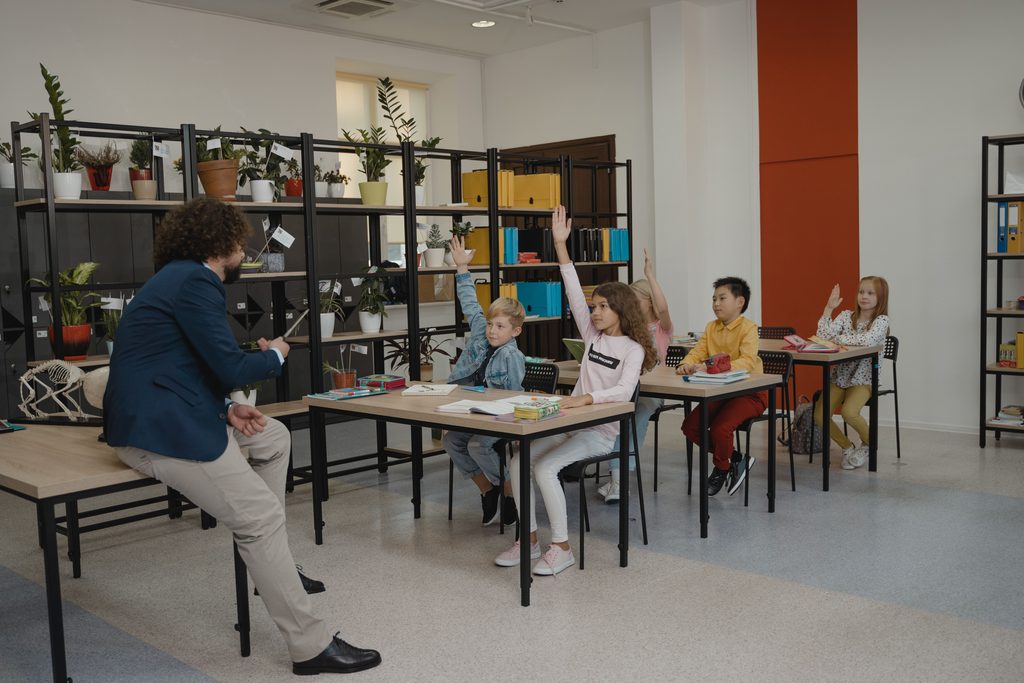
Where this is actually trained, not just described
Reading about classroom management and being observed doing it are two different experiences. On the CELTA course, this is one of the areas trainees get direct, individual feedback on: a trainer watching a real lesson and pointing out, specifically, where an instruction lost half the class or where a transition ran long, rather than a general checklist to self-assess against.
At CELTA Training Romania, that feedback loop runs through every observed lesson, in both the Part-Time Online and Intensive Face-to-Face formats, because classroom management is a skill that’s genuinely difficult to build from articles alone.
Follow for practical teacher development insights, or discover what teaching practice involves if you’re curious how observed feedback like this actually works on a CELTA course.

FAQ
Is classroom management something you’re naturally good at, or can it be learned? It’s a learnable, practical skill built from specific techniques: instruction-giving, signalling, use of space, pacing, not a fixed personality trait. Teachers with no natural authority in the room often become excellent classroom managers once they’ve had training and feedback.
What’s the single most common cause of classroom management problems for new teachers? Unclear instructions. Confusion, not misbehaviour, is behind most of the noise and drift that new teachers interpret as a “management problem.”
Does classroom management look different online than in person? Yes, online classrooms replace physical positioning and gestures with things like breakout room structure, turn-taking tools, and clear digital signals, but the underlying principles (clarity, consistency, deliberate transitions) stay the same.
Should I set classroom rules on day one, or let them develop naturally? Setting clear, simple expectations early tends to prevent more problems than it creates, students respond well to knowing what’s expected, especially in a language classroom where instructions themselves can already be a source of confusion