

27
Oct
What impact can four weeks of intensive teacher training have on a teaching career? Aranca Muradian, English teacher at Shakespeare School, shares her CELTA journey and reflects on the lessons, challenges and memorable moments that have stayed with her over the past ten years.
My CELTA Journey: Looking Back After Ten Years
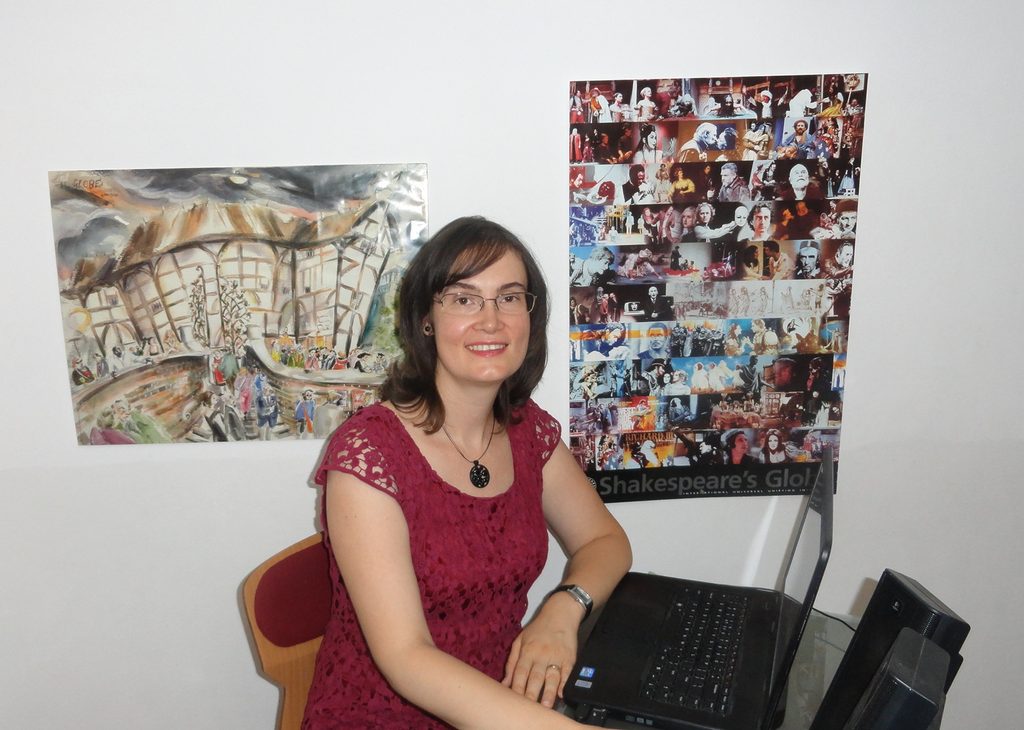
In 2016, just one year after I started teaching at Shakespeare School, I decided to take the intensive CELTA course at the Ferdinand centre in Bucharest. Looking back ten years later, I believe it was one of the best decisions I made in my teaching career. I was still relatively new to the profession, hadn’t fully developed my own teaching style, and was eager to learn as much as possible.
The course lasted four weeks, and I quickly discovered just how much could fit into a single month. Between teaching practice, lesson planning, language analysis and assignments, there were definitely a few late nights involved! However, despite the demanding schedule, it was an incredibly rewarding experience, both professionally and personally.
Learning from Experienced CELTA Trainers
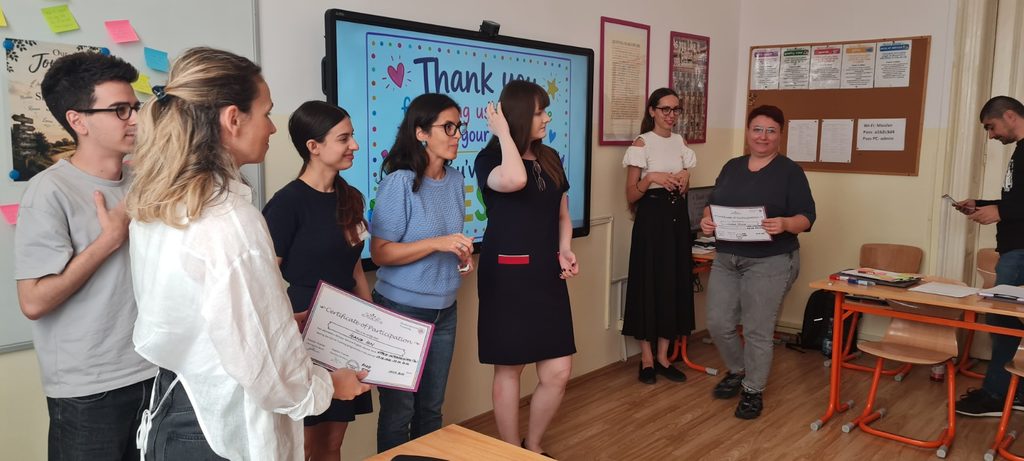
One of the aspects I appreciated most about the CELTA course at Shakespeare School was how well-structured the sessions were and how much support we received throughout the process.
During the first two weeks, I worked with Georgiana Bose, followed by another two weeks with Nicoleta Dinescu. Both trainers provided detailed explanations, practical guidance and constructive feedback that helped us understand not only what we needed to improve, but also how to approach those improvements.
Having the opportunity to learn from two trainers with different teaching styles was particularly valuable. It allowed me to observe different approaches to teaching English and reflect on the techniques I wanted to incorporate into my own lessons.
From Lesson Planning to Language Analysis
If I had to choose the two areas in which CELTA helped me the most, they would definitely be lesson planning and language analysis.
Before taking the course, I had already gained some classroom experience, but CELTA helped me understand the reasoning behind effective lesson planning. I learned how to establish clear lesson aims, structure activities logically, anticipate potential difficulties and make more informed decisions about the teaching techniques I used.
Language analysis was another important part of the learning process. Understanding how to break down language and anticipate learners’ questions or difficulties gave me a more systematic approach to teaching English.
Of course, developing these skills required quite a bit of work, and I still remember spending a few nights preparing lesson plans and assignments.
One of my favourite memories from the course was having the opportunity to design my own lesson around video games, a topic I have always been passionate about. Being able to incorporate one of my personal interests into a lesson made the planning process much more enjoyable and reminded me how engaging a lesson can become when the teacher is genuinely enthusiastic about the subject.
A New Experience: Teaching English to Adults
Another particularly interesting aspect of my CELTA training was the opportunity to work with adult learners.
Until that point, I had taught exclusively children, so stepping into a classroom of adults was a completely new experience for me.
I learned how to monitor adult learners during activities, adapt my classroom management techniques and approach group dynamics differently.
The adult learners we worked with were incredibly receptive, motivated and eager to participate. Their enthusiasm contributed to a positive classroom atmosphere and made teaching practice something I genuinely looked forward to.
This experience helped me become more adaptable and gave me a broader perspective on the different needs of English language learners.

More Than Just a Teacher Training Course
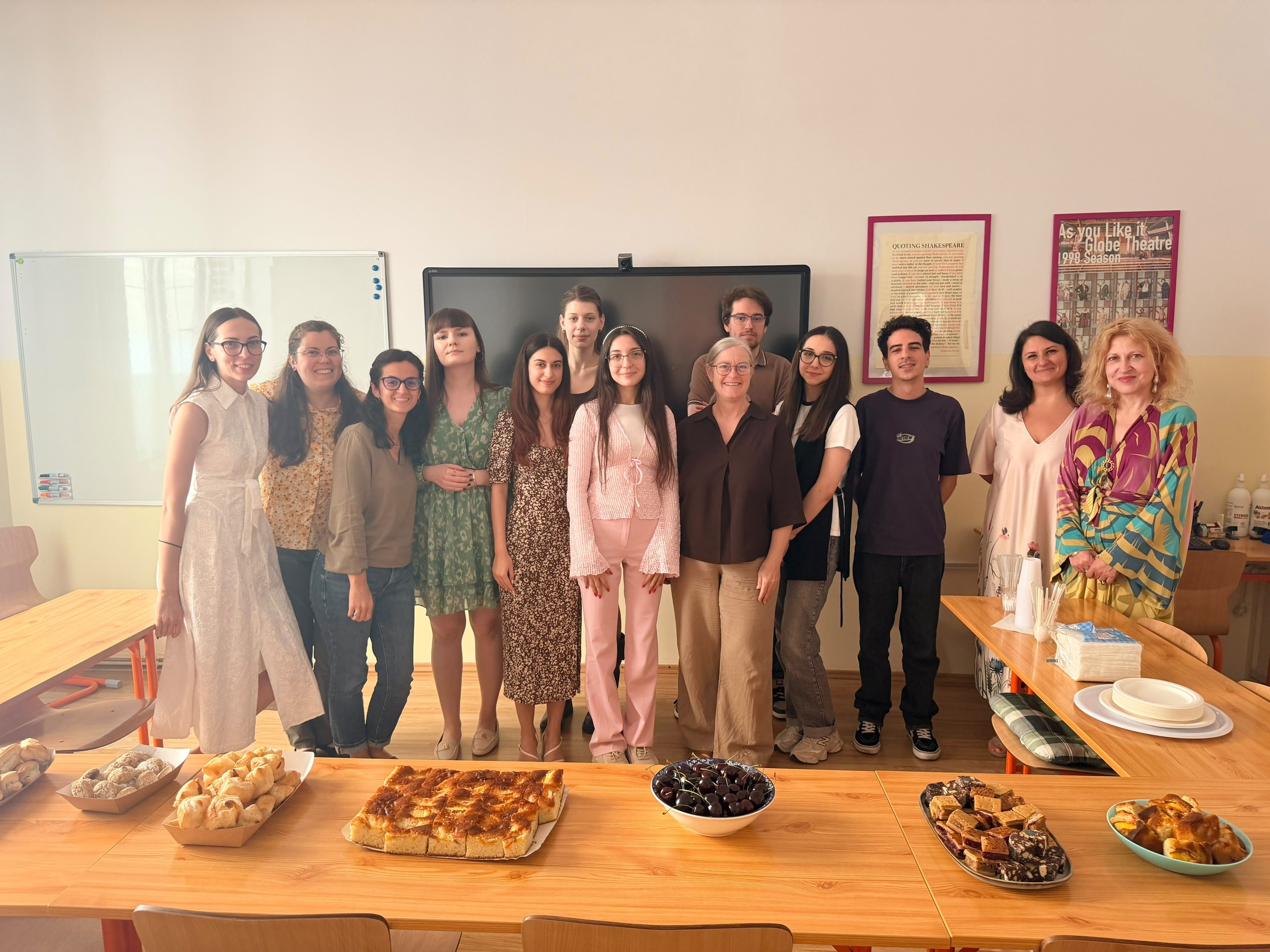
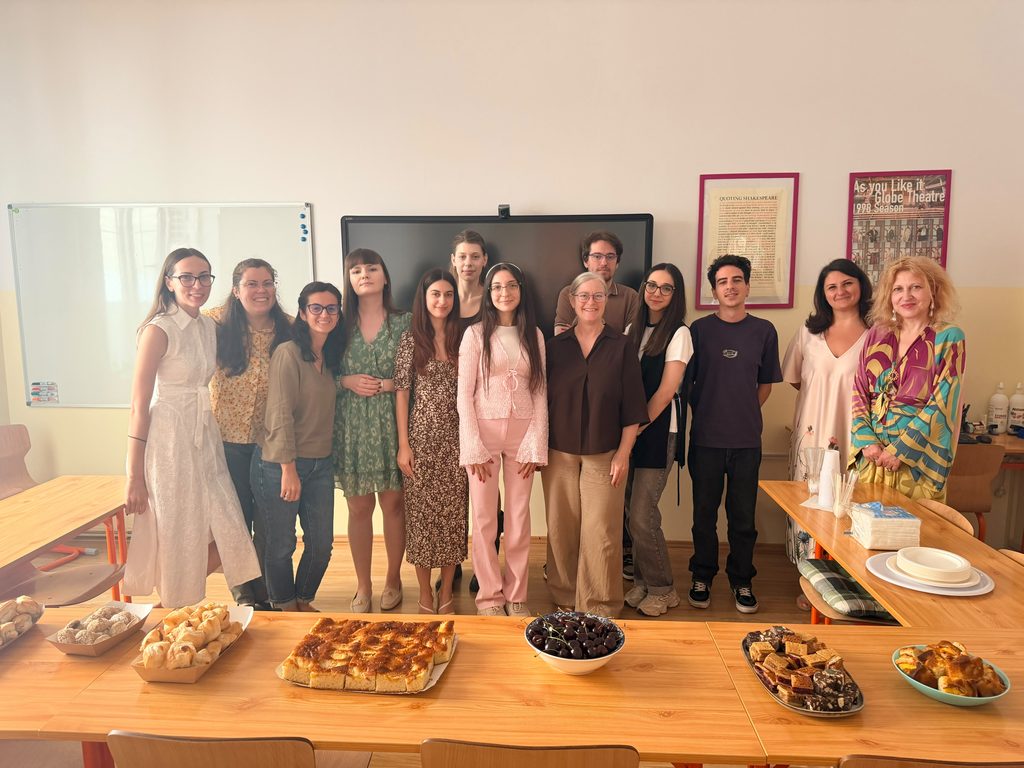
Beyond the academic side, one of the things that made CELTA particularly memorable was the group of people I shared the experience with.
Several of my fellow trainees were teachers at Cambridge School, and over the course of those four weeks, we became friends.
We exchanged teaching experiences, shared ideas, offered each other advice and supported one another through the more demanding parts of the course. Having people around who understood exactly what you were going through made a real difference, especially when deadlines were approaching and lesson plans still needed finishing!
I think this sense of collaboration was one of the reasons why, despite the intensity of the course, I remember the experience so fondly.

How CELTA Has Influenced My Teaching Career
Ten years later, I have had the opportunity to teach students of different ages and levels, from young beginners to learners preparing for advanced Cambridge English examinations.
Naturally, my teaching style has evolved considerably over the years. Experience has taught me to be more flexible, adapt to different groups and recognise that there is no single approach that works for every classroom.
However, many of the principles I explored during CELTA are still relevant to my everyday teaching practice.
Clear lesson objectives, effective planning, anticipating learners’ difficulties and creating opportunities for meaningful communication remain essential parts of my lessons.
I also believe that taking CELTA so early in my career was particularly beneficial. Because I hadn’t yet developed a fixed teaching style, I was open to experimenting with new techniques, receiving feedback and building my teaching approach on a stronger foundation.

Would I Recommend CELTA?
Absolutely, particularly to teachers who want to develop a more structured and reflective approach to teaching English.
The intensive CELTA course is demanding, and it requires commitment, preparation and a willingness to accept constructive feedback. However, it also provides valuable opportunities to learn through practice, observe different teaching approaches and exchange ideas with fellow teachers.
For me, CELTA at Shakespeare School was much more than a teaching qualification. It was a month of learning, challenges, collaboration and new friendships.
And although ten years have passed since I completed the course, I can still see its influence in the way I approach teaching today.